From Rooftop to Land: Our 2016 Upstate Garden Plan Takes Root
The air is buzzing with an electrifying energy, a sensation familiar to any seasoned gardener but amplified tenfold for us this year. It's that thrilling tremor, often dubbed the "garden shivers," where anticipation for the upcoming growing season is so intense, it makes you vibrate with excitement. For us, this year, the shivers are particularly potent, fueled by a monumental shift in our gardening adventure. After years of cultivating a vibrant rooftop oasis in the bustling heart of Brooklyn, Matthew and I are now embarking on an entirely new chapter: transforming raw Upstate land into a flourishing garden.
This transition from containers high above the city to the expansive, real ground presents a universe of unknowns and boundless possibilities. As we navigate the nuances of our new environment,
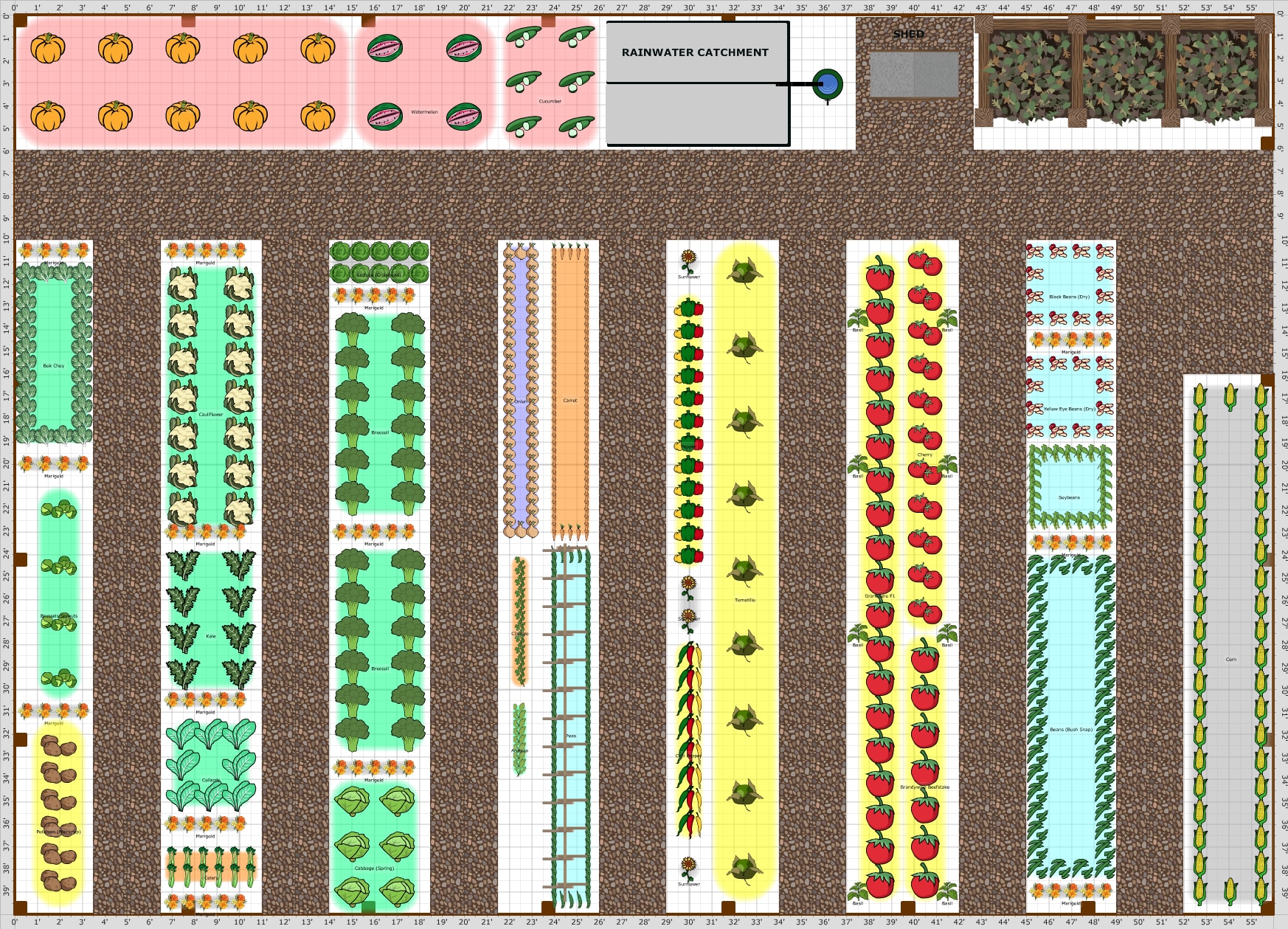
planning the 2016 garden check out our layout – a blueprint designed to maximize our new space, embrace fresh challenges, and bring our biggest gardening dreams to life.
The Great Transition: From Brooklyn Rooftop to Upstate Earth
Our journey from urban rooftop gardener to Upstate farmer is more than just a change of scenery; it's a complete recalibration of our horticultural approach. On the rooftop, every inch was meticulously planned, every pot a contained experiment. Here in Upstate New York, we're presented with a canvas of acres, which, while exciting, also introduces a host of new variables to consider.
One of the most immediate changes is our growing season. Our new home is situated in Zone 5A, a stark contrast to our previous, milder urban microclimate. This means a significantly shorter window for warm-weather crops. While we once started seeds indoors in January, our planting schedule is now dictated by a last frost date around May 31st, with the "safe" frost-free period extending until approximately October 1st. Naturally, we're already devising strategies to extend this season, perhaps with cold frames or row covers, but adapting to these natural rhythms is paramount.
Then there's the soil – the very foundation of any successful garden. Our Upstate land boasts a distinctly rocky clay soil, a world away from the carefully curated potting mixes of our rooftop days. This type of soil, while potentially rich in nutrients, can be challenging due to its compaction and drainage issues. We've already initiated a comprehensive soil test, a crucial first step for any new gardener, especially when moving to a new location. Understanding the soil's pH, nutrient levels, and composition is vital for selecting appropriate crops and amending the earth to support vigorous growth. We anticipate adding significant amounts of organic matter to improve its structure and fertility.
Finally, the sheer scale. Our garden just got a whole lot bigger! This newfound space isn't just about growing more; it's about the freedom to experiment, to dedicate entire rows to single crops, and to finally cultivate plants that were simply impractical in our limited rooftop footprint. Yet, with great space comes great responsibility, and also the inevitable "heartbreak" – the trials of animals, unpredictable weather, and diseases that are part and parcel of large-scale gardening. We're mentally bracing ourselves for these challenges, viewing them not as failures, but as invaluable learning experiences.
Crafting Our Upstate Garden Layout: A New Vision for 2016
With the garden shivers at an all-time high, we dove into the planning process this week, meticulously sketching out our 2016 garden layout. While no garden plan is ever 100% rigid – the garden itself often dictates adjustments – this blueprint provides a solid foundation for our ambitious season. For visualizing and organizing our plots, we rely heavily on tools like GrowVeg.com, which proves invaluable for planning crop rotation, spacing, and optimizing yields.
Our enlarged garden means we can introduce a host of exciting new crops, alongside expanding old favorites. Here's a glimpse into what we're planting:
*
Lots of Corn! A true testament to our newfound space. Corn was always a struggle on the roof, often yielding inconsistent results despite our best efforts. This year, we're dedicating an entire row to corn, dreaming of tall stalks and sweet, homegrown ears.
*
Dry Beans Galore: Having embraced a no-meat lifestyle, beans have become a dietary staple. Last year's dry bean experiment was a resounding success, so this season we're significantly increasing our planting, eager to explore new varieties and ensure a plentiful harvest for storage.
*
Baby Bok Choy Bonanza: If there's one vegetable I consume in vast quantities, it's bok choy. My obsession means we're dedicating a substantial portion of our plot to growing an abundance of this versatile leafy green.
*
Celery & Arugula – First-Timers: Strangely enough, despite years of gardening, we've never grown celery or arugula before. This year, we're finally adding these staples to our repertoire, excited to taste homegrown versions. It's always rewarding to expand your gardening horizons!
*
Potatoes (Maybe): Potatoes on the rooftop yielded mixed results, succeeding only about half the time. Our rocky clay soil poses a new challenge, but we're keen to experiment. We'll start with a small patch, carefully preparing the soil, to see how they fare in their new environment.
*
Pumpkins, Glorious Pumpkins! My ultimate garden dream involves fields of pumpkins. While we don't have seven acres dedicated to them (yet!), we are growing three distinct varieties this year, maximizing our space for these iconic symbols of harvest.
For a deeper dive into our strategic choices and detailed plans, you might find more insights in
Planning Our Big 2016 Upstate Garden Layout, and further specifics on individual crops are detailed in
Our 2016 Garden Layout: What We're Planting Upstate.
Embracing the Unknown: Challenges and Dreams
Every gardener knows that the path to a bountiful harvest is rarely smooth. We are prepared for the inevitable challenges that come with working with nature. Animals, particularly in an Upstate setting, will undoubtedly view our garden as a buffet. We'll be exploring various deterrents, from fencing to companion planting, to protect our precious crops. Weather, too, remains an unpredictable force, and diseases can strike even the most carefully tended plants. These moments of "heartbreak" are not failures, but simply part of the gardening journey, offering lessons in resilience and adaptation.
Yet, despite these potential setbacks, we choose to dream big. Gardening, for us, is an act of optimism and a commitment to growth – both literally and figuratively. The excitement of seeing seeds sprout, plants flourish, and eventually harvesting our own food far outweighs any temporary disappointments. This season, more than ever, is about pushing boundaries, experimenting with new techniques, and connecting deeply with the land.
Essential Tips for Your Own Garden Planning
Whether you're moving from a rooftop to acres or simply refining an existing plot, thoughtful garden planning is key to success. Here are a few universal tips to help you create a thriving space:
1.
Read Your Space: Before sketching a single bed or buying a plant, spend time simply observing your outdoor area. Walk every corner, notice where the sun falls throughout the day (morning, midday, late afternoon), and identify natural pathways or quiet spots. This "reading" of the space often reveals inherent strengths and weaknesses that can inform your entire design.
2.
Understand Environmental Factors:
*
Sunlight: Track exactly how many hours of direct sunlight different areas receive. Most vegetables require at least 6-8 hours of full sun.
*
Wind: Strong winds can damage delicate plants and dry out soil. Consider natural windbreaks or strategic planting.
*
Soil: Always start with a soil test! It's the most valuable insight you can get. Knowing your soil's pH and nutrient content will guide your amendments and plant choices. Rocky clay soil, like ours, often benefits from significant additions of compost and organic matter to improve drainage and structure.
*
Access: Plan for easy access to your beds for planting, weeding, and harvesting. Consider proximity to a water source.
3.
Plan for the Future: Think about crop rotation to maintain soil health and prevent pest buildup. Research companion planting to enhance growth and deter pests naturally.
4.
Start Small (Even with Big Dreams): While it's tempting to plant everything, especially with a new, larger space, it's often wise to start with a manageable area. This allows you to learn the nuances of your new environment without becoming overwhelmed. You can always expand in subsequent seasons.
5.
Keep Detailed Records: Document what you plant, when you plant it, what works well, what struggles, and your harvest dates. This information is invaluable for refining your plan year after year.
Our 2016 Upstate garden plan is more than just a layout; it's a declaration of our commitment to a new way of life, a canvas for experimentation, and a testament to the enduring joy of connecting with the earth. From the garden shivers of anticipation to the inevitable challenges and triumphs, we're ready for this grand adventure. And as we dig our hands into the rich, albeit rocky, Upstate soil, we invite you to follow along as we cultivate our dreams, one seed at a time.