Embracing the Upstate Adventure: New Horizons for Our 2016 Garden
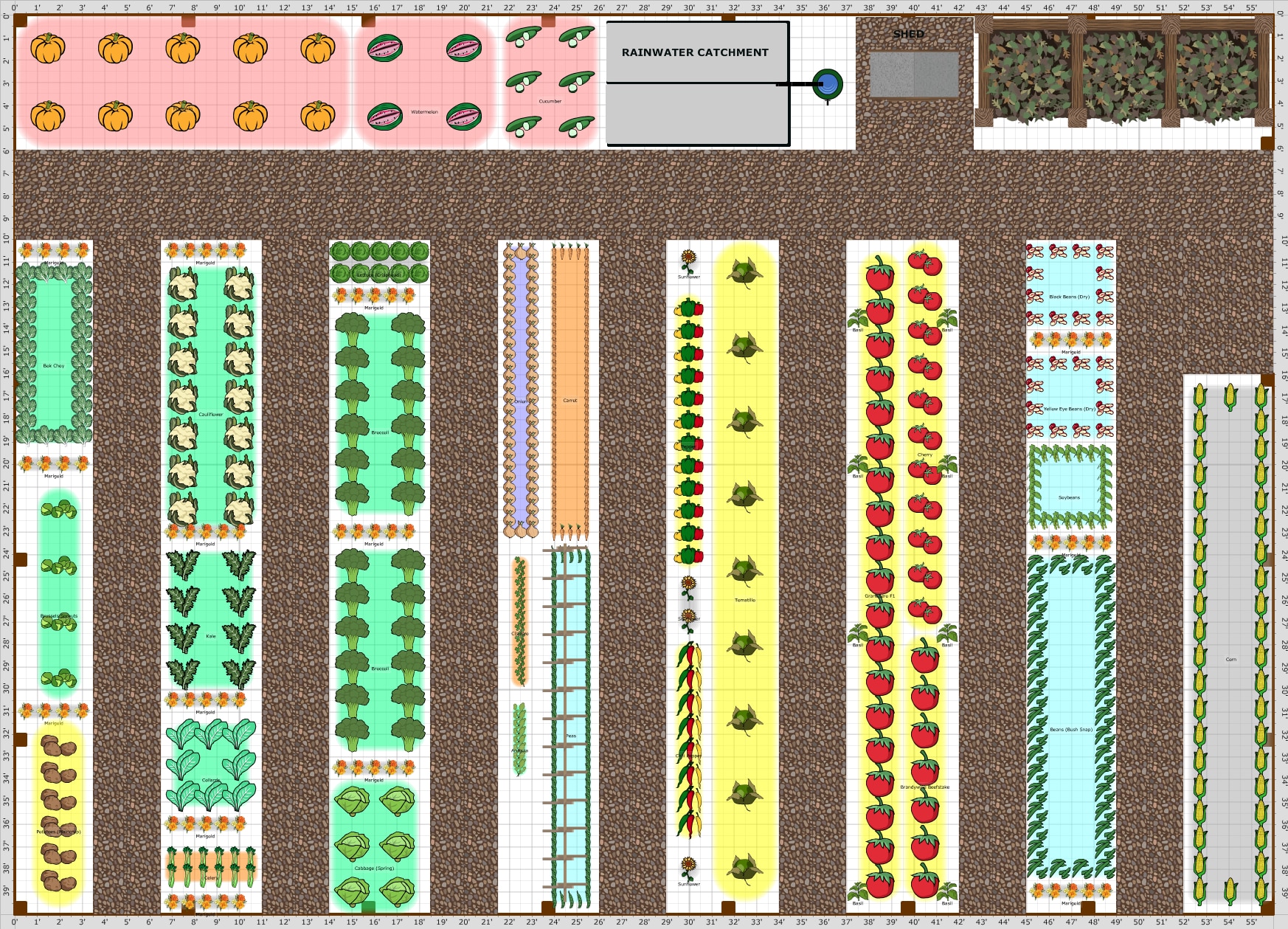
The thrill of a new gardening season is a feeling unlike any other, often manifesting as what we affectionately call "garden shivers" – that undeniable tremor of excitement for the soil, the seeds, and the promise of a bountiful harvest. This year, those shivers are particularly intense as we embark on a monumental shift: transitioning our beloved garden from a Brooklyn rooftop to the sprawling, fertile (albeit challenging!) land Upstate. After years of cultivating in containers high above the city, the prospect of digging into real ground opens up a world of possibilities, and we're thrilled to share our detailed plan for
planning the 2016 garden check out our layout – a blueprint forged from both dreams and practical considerations.
This 2016 season brings with it a unique blend of unknowns and grand ambitions. Moving from a controlled rooftop environment to a larger, untamed landscape means navigating new climate zones, soil compositions, and a whole host of natural elements we rarely encountered before. Our garden season, for instance, will be notably shorter in our new Zone 5A. While we previously sowed seeds indoors in January, our Upstate schedule dictates waiting until next week, aligning with the projected last day of frost around May 31st. The "safe" growing window then extends until the first freeze around October 1st, though we’re already plotting ways to stretch it as far as possible! This significant expansion in size, alongside the learning curve of a new environment, marks a thrilling chapter in our gardening journey.
Key Considerations When Planning a Larger Garden in a New Climate Zone
Stepping into a larger garden space Upstate means a complete re-evaluation of our approach. The luxury of space allows for greater variety and quantity, but it also introduces new challenges that demand careful planning and a resilient mindset.
Decoding Zone 5A and Frost Dates
Understanding our new climate zone is paramount. Zone 5A, with its later last frost date of May 31st and earlier first freeze around October 1st, dictates a compressed growing season compared to our previous urban microclimate. This means a more focused approach to seed starting and plant selection. We’ll be starting seeds indoors next week, ensuring they’re strong enough to thrive once transplanted. To extend our season, we're already researching methods like cold frames, row covers, and strategically planting cold-hardy crops that can withstand early autumn chills. These proactive measures are crucial for maximizing our yield within the shorter window.
Understanding Your Soil: The Rocky Clay Challenge
One of the biggest variables in our new Upstate location is the soil itself. We're dealing with what appears to be rocky clay soil, a stark contrast to the bagged potting mix of our rooftop days. Clay soil, while often nutrient-rich, can be dense, slow-draining, and challenging for root development, especially for crops like potatoes. We’ve already initiated a comprehensive soil test – an essential first step for any new garden – to understand its exact composition, pH levels, and nutrient deficiencies. The results will guide our amendments, likely involving substantial additions of organic matter like compost and aged manure to improve drainage, aeration, and overall fertility. Raised beds are also on the table as a practical solution to bypass some of the immediate soil challenges and create ideal growing conditions for specific plants. For more insights into this transition, you might enjoy
From Rooftop to Land: Our 2016 Upstate Garden Plan.
The Realities of Nature: Pests, Weather, and Resilience
With a larger plot in a more natural setting, we're also preparing for increased interaction with wildlife – from deer to groundhogs – and the unpredictable whims of Upstate weather. Hailstorms, strong winds, and sudden temperature fluctuations are all potential threats that require thoughtful planning. This includes considering fencing options, companion planting strategies to deter pests, and having protective covers on hand. We also anticipate the inevitable heartbreaks that come with gardening: a crop failure due to disease, a sudden pest invasion, or an unexpected weather event. A seasoned gardener knows that resilience and a willingness to learn from setbacks are just as important as the initial plan itself. Dreaming big is fun, but being prepared for challenges makes the journey sustainable and ultimately more rewarding.
Our 2016 Garden Layout: Exciting New Additions and Ambitious Plans
With these considerations in mind, we've poured our excitement into creating a detailed garden layout, leveraging tools like GrowVeg.com to keep everything organized and visually clear. While this plan isn't 100% rigid – we know nature often has its own ideas once we're in the garden space – it’s a solid blueprint for what we're planting and how we're approaching the season. It’s truly thrilling to see our vision for
planning the 2016 garden check out our layout come to life!
Here’s a glimpse at some of the exciting additions and expanded plantings for our Upstate garden:
*
Lots of Corn! After years of struggling with corn on the rooftop, where space constraints and pollination issues often led to disappointing yields, we're dedicating an entire row to it this year. We envision towering stalks, sweet kernels, and the pure joy of a successful corn harvest. The sheer space Upstate makes this possible, and we couldn't be more excited.
*
Dry Beans Galore: Our journey towards a no-meat diet has turned us into "bean eating machines," and last year’s successful, albeit small, dry bean harvest solidified their place in our garden. This year, we’re significantly increasing our planting of various dry bean varieties, ensuring a steady supply for our pantry.
*
Baby Bok Choy Bonanza: An absolute obsession, we easily consume several pounds of bok choy weekly. Naturally, our plan includes extensive plantings of baby bok choy to keep up with our demand for this tender, flavorful green.
*
First-Time Celery & Arugula: Surprisingly, these two staples have never made it into our previous gardens. This year, we're eager to try our hand at growing fresh, crisp celery and peppery arugula, expanding our repertoire of homegrown produce.
*
Potatoes – A Rocky Experiment: Having had only partial success with potatoes in rooftop containers, their inclusion this year is a bit of an experiment, given our rocky clay soil. We’ll be exploring different growing methods, potentially in amended raised beds, to see if we can achieve a bountiful underground harvest.
*
Pumpkins, Pumpkins, and More Pumpkins: If we had our way, all seven acres of our land would be devoted to pumpkins! Since that’s not quite practical, we're content with planting three different varieties, promising a colorful and abundant autumn display. The expansive space truly allows us to indulge this particular passion.
For a deeper dive into the specifics of our design, including the exact placement of each crop, make sure to explore
Planning Our Big 2016 Upstate Garden Layout.
Beyond the Beds: Holistic Garden Planning for Success
While focusing on what to plant is crucial, truly successful garden planning extends beyond just the beds. We've taken a holistic approach, considering our entire outdoor space as an "outdoor room" to ensure functionality, beauty, and efficiency. This involves "reading the space" before a single seed is sown or a bed is sketched.
We've spent time observing the land from various angles, noting natural pathways, areas where we instinctively want to sit, and spots that feel awkward or underutilized.
Crucially, we've mapped out:
*
Sun and Shade: Tracking how sunlight falls morning, midday, and late afternoon across the property is vital. This ensures sun-loving vegetables like tomatoes and peppers are placed in optimal, bright spots, while shade-tolerant crops find their ideal home.
*
Wind Patterns: Understanding prevailing winds helps in planning windbreaks for delicate plants and siting taller crops.
*
Soil Variations: Beyond the general rocky clay, there might be micro-variations. The soil test will confirm, but visual inspection often reveals clues.
*
Access and Water: Planning for easy access to all parts of the garden – with clear paths and logical layouts – is essential for maintenance and harvesting. Similarly, identifying water sources and planning for efficient irrigation saves countless hours and resources.
By integrating these environmental factors into our design, every later choice, from plant selection to path placement, becomes more informed and ultimately leads to a more harmonious and productive garden.
As we look forward to the 2016 growing season, the excitement is palpable. From the initial garden shivers to the meticulous process of
planning the 2016 garden check out our layout, every step has been a joy. The transition from a rooftop in Brooklyn to the wide-open spaces Upstate presents both challenges and unparalleled opportunities. We're ready for the hard work, the learning curve, and the inevitable heartbreaks, but most of all, we're ready to dream big and cultivate a thriving garden that nourishes us in every sense of the word. Stay tuned for updates as we bring this ambitious plan to life!