The Thrill of the Till: Planning Our Big 2016 Upstate Garden Layout
There’s a certain electrifying buzz that seasoned gardeners know well – often referred to as "garden shivers." It's that irresistible urge, even in the depths of winter, to pore over seed catalogs, sketch bed designs, and meticulously map out the growing season ahead. This year, for us, those shivers are more intense than ever as we embark on a truly monumental gardening adventure: transitioning from a cozy Brooklyn rooftop to expansive new land Upstate. The anticipation is palpable, and the need for thoughtful planning is paramount as we envision *planning the 2016 garden* and prepare to share *our layout*.
This move isn't just a change of scenery; it's a complete paradigm shift for our gardening philosophy. After years of container gardening in a confined urban space, we're finally getting our hands into "real" ground. This brings with it a fascinating mix of unknowns, exciting new possibilities, and a healthy dose of reality checks. To navigate this thrilling new chapter, strategic planning has become our guiding light, ensuring our dreams of a thriving Upstate garden become a fruitful reality.
The Upstate Leap: Embracing New Challenges and Opportunities
The journey from a concrete jungle to a sprawling rural landscape presents both exhilarating opportunities and formidable challenges. Our new Upstate home places us firmly in Zone 5A, a significant departure from our previous microclimate. This means a considerably shorter growing season, with the last day of frost lingering until May 31st and the first safe freeze-free date arriving around October 1st. This tighter window dictates a crucial shift in our seed-starting schedule, pushing back indoor propagation until late winter, rather than our usual January routine.
Beyond the climate, the very ground beneath our feet demands a new approach. Our new land boasts rocky clay soil – a far cry from the carefully curated potting mixes we used on the rooftop. Understanding this new medium is critical. We've already commissioned a comprehensive soil test, eager to uncover its precise composition, pH levels, and nutrient deficiencies. This vital information will inform our strategies for soil amendment, ensuring we provide the best possible foundation for our plants. For a deeper dive into our overall journey from urban rooftop to rural expanse, you can read more in
From Rooftop to Land: Our 2016 Upstate Garden Plan.
Of course, with any large-scale garden, we're also bracing ourselves for the inevitable heartbreaks: battles with local wildlife, unpredictable weather patterns, and the constant vigilance against plant diseases. A wise gardener always dreams big, but also prepares for resilience. However, the sheer size of our new plot opens up a world of possibilities, allowing us to cultivate more vegetables, experiment with new varieties, and finally grow some space-hungry crops we could only dream of before.
Strategic Planning: Mapping Out Our Upstate Dream Garden
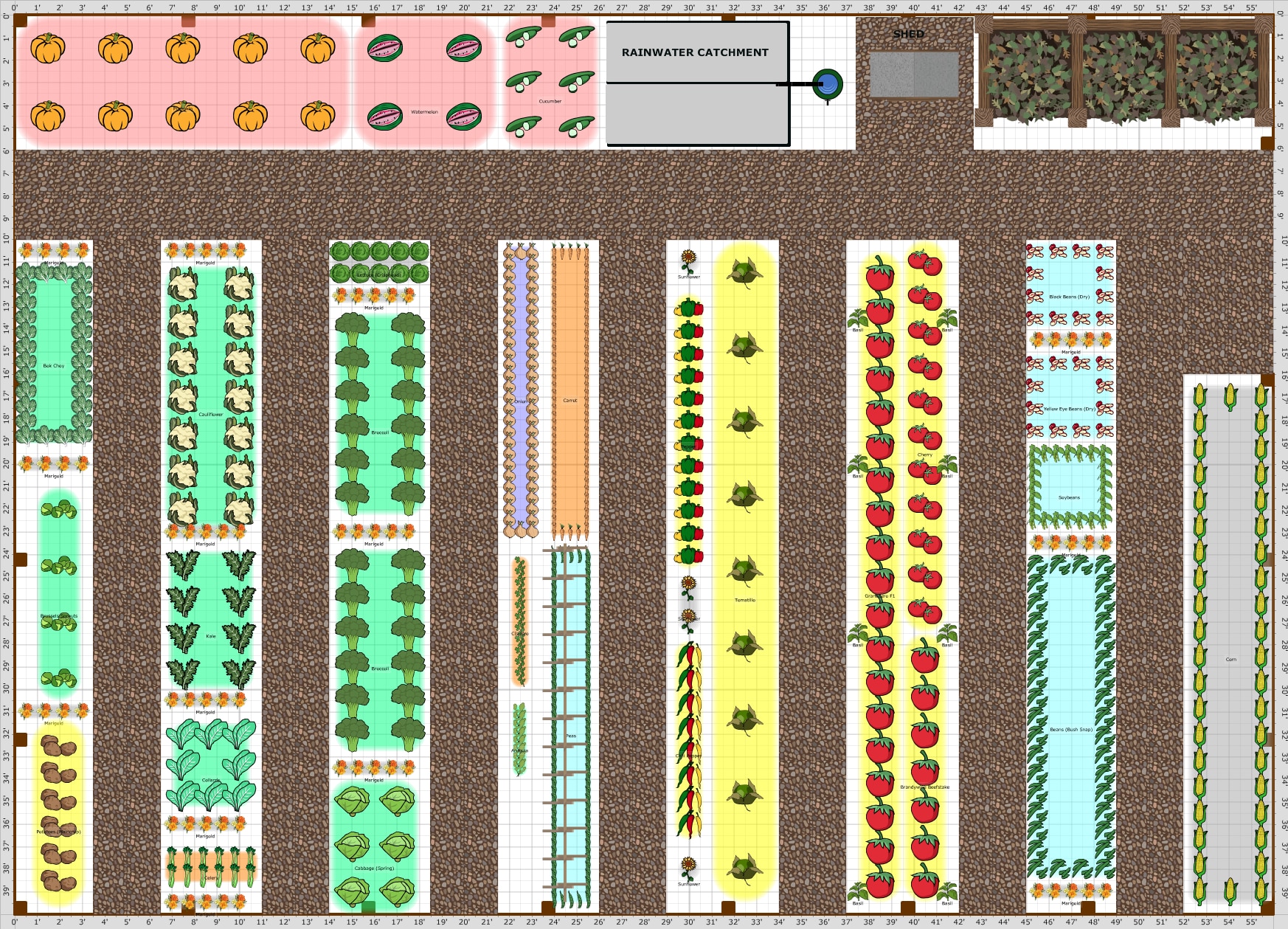
With the "garden shivers" at an all-time high and seed-starting deadlines looming, dedicated time to meticulously *planning the 2016 garden* was non-negotiable this week. Our goal was to develop a detailed blueprint – a living document that guides our hands in the coming months. While garden plans are always subject to minor adjustments once the soil is underfoot, having a solid starting point is invaluable for organization and efficient execution.
To bring our visions to life, we've found a fantastic digital tool: GrowVeg.com. This platform allows us to virtually map out our garden beds, visualize plant placement, and even track crop rotations, making the complex task of designing a large garden significantly more manageable.
Before diving into specific crop choices, however, we embraced a critical first step: "reading the space." This involves more than just glancing at the land; it’s an immersive observation exercise. We walked every corner of our new plot, noting the natural contours, potential pathways, and existing features. We paid close attention to sun and shade patterns throughout the day, crucial for placing sun-loving vegetables in their optimal spots. We also considered wind exposure, water access points, and how the garden would integrate with the broader landscape. This holistic approach ensures that our garden plan is not just a collection of plants, but a practical, integrated outdoor "room" that maximizes both beauty and productivity.
Cultivating New Horizons: What's Sprouting in 2016
The increased space and unique characteristics of our Upstate land have dramatically influenced our crop selection for 2016. Our layout reflects a blend of beloved staples and exciting new additions, all chosen with an eye towards maximizing yield and embracing experimentation.
One of the most anticipated additions is **corn**. Having attempted corn on our rooftop with mixed success – it's notoriously challenging in confined spaces due to pollination needs – we are thrilled to dedicate an entire row to it this year. The ample space allows for block planting, significantly improving cross-pollination and, hopefully, a bountiful harvest.
Another big win for us, especially after transitioning to a no-meat diet, will be **dry beans**. We've become avid bean eaters, and last year's small-scale success has emboldened us to plant a much larger quantity this season, exploring several new varieties. We're looking forward to storing our own protein-packed pantry staples!
Our obsession with **baby bok choy** continues, and with more room, we plan to grow an abundance of this fast-growing, delicious leafy green. We eat pounds of it weekly, so growing our own fresh supply is a major priority.
Two vegetables making their debut in our garden are **celery** and **arugula**. Surprisingly, despite years of gardening, these staples have never found their way into our beds. We're eager to discover how they perform in our new environment. Arugula, being a cool-season crop, should thrive in our Zone 5A climate.
**Potatoes** are a hopeful maybe. While we've had about 50% success growing them on the rooftop, our rocky clay soil presents a new challenge. We plan to experiment, perhaps incorporating raised beds or large potato bags to provide a more forgiving medium, and discover what truly thrives.
And finally, my personal passion project: **pumpkins**. Given the chance, I’d likely dedicate all seven acres of our land to these magnificent gourds! This year, we're indulging in three distinct varieties, ensuring a vibrant and abundant harvest for fall decorations and delicious pies. The larger space allows these sprawling plants to truly spread out and flourish. To see the full list of what we're tucking into the soil this year, be sure to visit
Our 2016 Garden Layout: What We're Planting Upstate.
Beyond the Blueprint: Essential Tips for Your Own Garden Plan
Whether you're moving to new land like us or simply refining an existing plot, effective garden planning is the cornerstone of success. Here are some actionable tips to help you in *planning your 2016 garden* or any future garden:
*
Know Your Soil: Don't guess. A soil test is inexpensive and provides invaluable data on pH and nutrient levels, guiding your amendments for optimal plant health.
*
Observe Your Space Meticulously: Before drawing a single bed, spend time in your garden. Track sunlight patterns throughout the day, note wind corridors, and identify areas prone to water accumulation. This informs intelligent plant placement.
*
Start with a Vision, Stay Flexible: Have a grand plan, but be prepared to adapt. Nature is unpredictable, and sometimes what looks perfect on paper needs adjustment in the real world.
*
Embrace Experimentation: Don't be afraid to try new crops or different growing methods. Learning what thrives in your unique environment is part of the joy of gardening.
*
Plan for Challenges: Think about pest control, wildlife deterrents, and protection from extreme weather events (e.g., row covers for early/late season frosts). Proactive planning saves headaches later.
*
Utilize Planning Tools: Whether it's a simple notebook and pencil, a spreadsheet, or a sophisticated online planner like GrowVeg.com, a dedicated tool helps keep your garden organized and on track.
*
Document Your Journey: Keep a garden journal. Note planting dates, varieties, successes, failures, and harvest yields. This information is invaluable for improving future seasons.
Conclusion
Our 2016 Upstate garden represents a thrilling new chapter, filled with the promise of bountiful harvests and the unique challenges of cultivating a much larger space. By meticulously *planning the 2016 garden* and creating a detailed *layout*, we're laying the groundwork for what we hope will be a vibrant and productive growing season. It's an exciting blend of careful preparation, open-minded experimentation, and a deep love for watching things grow. We encourage every gardener, whether starting small or dreaming big, to embrace the planning process. It’s the first vital step in turning your gardening aspirations into a living, breathing reality, ready to nourish both body and soul.